Thanks to diagnostic and treatment advancements, almost all children born with congenital heart disease (CHD) lead full lives into adulthood. In fact, adults comprise the majority – 1.4 million – of the estimated 2 million Americans living with CHD.
These patients often have complex needs that change over time: Adult patients may develop comorbidities like diabetes, require specialized care during pregnancy – or need additional procedures to support a weakening heart. The Adult Congenital Heart Disease Program at Children’s Health℠ and UT Southwestern, is a collaborative effort between pediatric and adult heart physicians who specialize in caring for patients with CHD at every age.
The Dallas-based program delivers personalized, comprehensive care and is among an elite few in North Texas to earn full accreditation from the Adult Congenital Heart Association.
The experts behind the program:
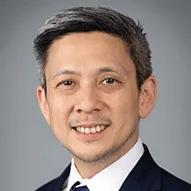
Karl Reyes, M.D., Pediatric Cardiothoracic Surgeon and Surgical Director of the Adult CHD Program at Children’s Health and Associate Professor of Cardiovascular and Thoracic Surgery at UT Southwestern.
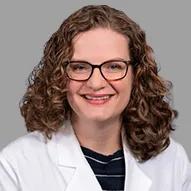
Keri Shafer, M.D., Medical Director of the Adult CHD Program and Associate Professor of Internal Medicine at UT Southwestern.
Here’s a look at unique ways their teams improve the lives of those with CHD.
Comprehensive treatments for changing and complex medical needs
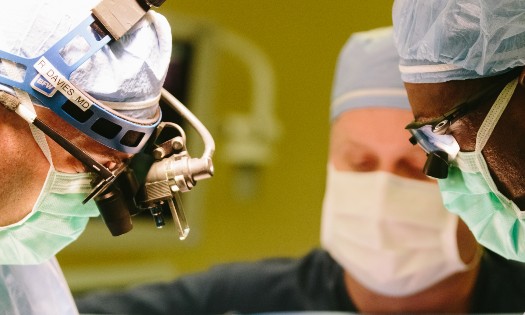
Specialists at the Adult CHD Program work collaboratively to review challenging cases and customize a care plan using the latest treatments. “We’re a referral center for patients that other centers deem too complicated,” says Dr. Reyes.
Many adults with CHD need additional interventional or surgical procedures as they age and their changing heart anatomy affects their health or quality of life. Patients who’ve undergone multiple surgeries as children face unique treatment challenges due to scarring and anatomy reconstructions. “The goal for every patient is to achieve a normal life expectancy and full life with the least possible number of interventions,” says Dr. Reyes.
Accessible heart services for patients with CHD
Having a coordinated clinical team means providers can see patients with CHD at UT Southwestern, Children’s Health and Parkland Memorial locations. “We consider the patient’s needs, including where they feel most comfortable receiving care, the diagnostic tests and treatments they need, available support services and other factors,” says Dr. Shafer.
Adult patients with acquired conditions like diabetes or those with prenatal needs receive coordinated care from other UT Southwestern specialists. “The ability to provide services at three top medical institutions makes our program unique in Texas and throughout the nation,” Dr. Shafer adds.
A focus on physical activity
Physical activity is important for cardiovascular health. Yet many adults with CHD are too sedentary. In a recent BMJ Open study, adults with CHD said they weren’t certain which exercises were safe and expressed a need for personalized guidance.
“In the past, clinicians restricted patients from certain sports due to congenital anatomy, but we’re shifting away from this blanket approach,” says Dr. Shafer. “We consider a patient’s unique diagnosis, anatomy and circumstances when offering guidance on physical activity.”
Dr. Shafer collaborates with UT Southwestern experts at the Institute for Exercise and Environmental Medicine to help people with CHD participate in sports and cardiovascular activities more comfortably and confidently. She co-authored a joint scientific statement published in Circulation and JACC that recommends clinicians and patients participate in shared decision-making when it comes to cardiovascular risks associated with competitive sports.
While those guidelines focus on competitive athletes, Dr. Shafer says they apply to patients of all ages living with CHD. “It’s even more important for patients with congenital heart disease to follow a heart-healthy diet and be physically active,” she says. “As a heart specialist, I want my patients to have the education and tools they need to confidently lead an active life.”
Experts in congenital heart disease care: Adolescents and adults
For adult patients who are running out of options, the Adult Heart Transplant Program at UT Southwestern has survival rates that surpass national averages. The program has ELITE status and is a Center of Excellence, recognized by the Interlink Center of Excellence (COE) Networks & Programs. The Comprehensive Heart and Vascular Center at UT Southwestern is also among the nation’s top programs for heart and vascular surgery.
The Heart Center at Children’s Health is among the top children’s hospitals for pediatric cardiology and cardiothoracic surgery in the country. Our program is one of the most experienced, performing more than 500 cardiothoracic surgeries every year.
Learn more about the Adult Congenital Heart Disease Program at Children’s Health.