Key Takeaways
Electrogastrography (EGG) could distinguish infants with feeding intolerance from those without by measuring electrical activity in the gastrointestinal tract.
A study at Children’s Health
℠used EGG to explore gastric rhythms in preterm infants and decode the data to identify meaningful patterns of gastric activity.Needed next: Clinical trials to validate EGG as an indicator of feeding intolerance and illnesses like necrotizing enterocolitis.
The concern: Feeding intolerance is difficult to assess
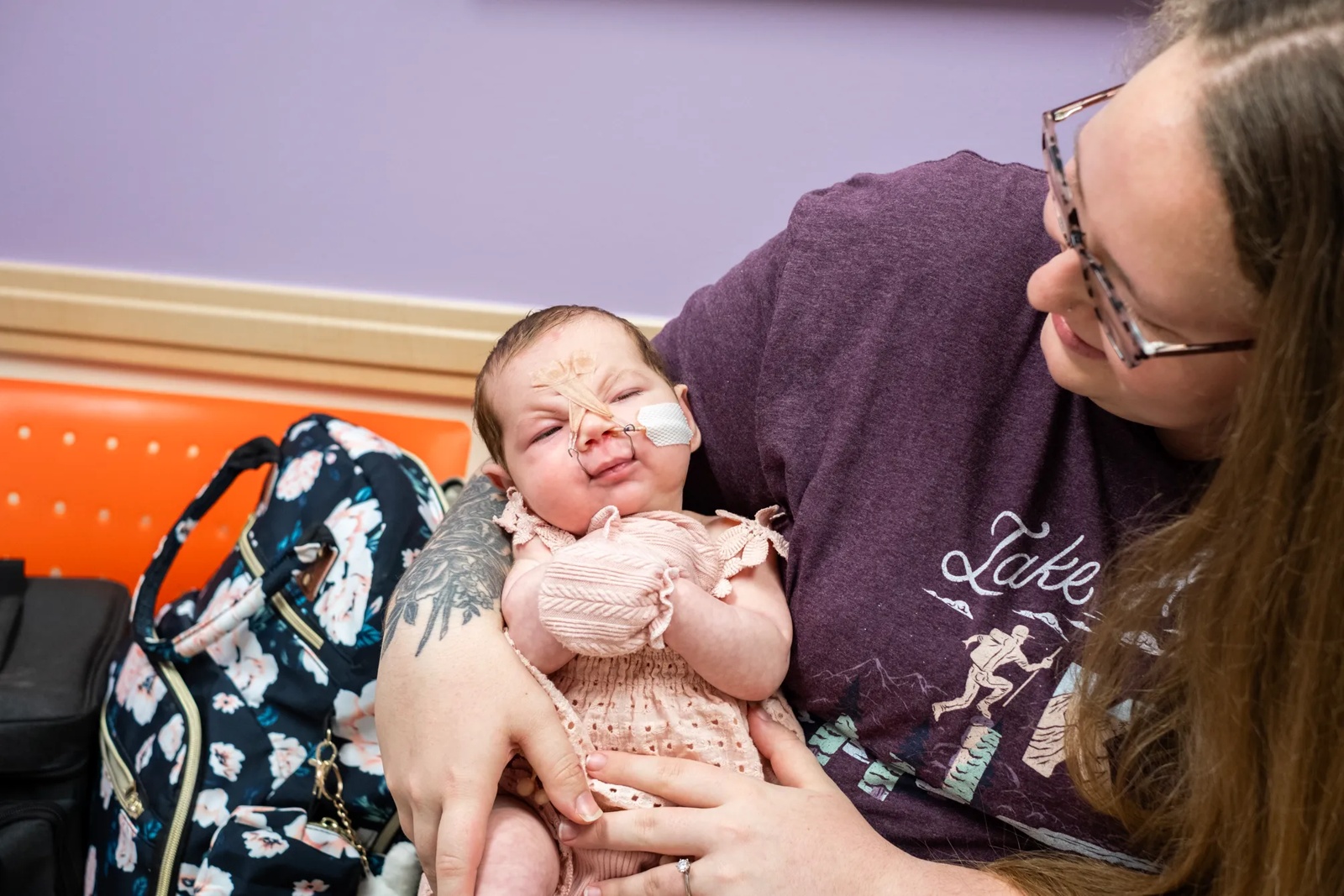
Feeding intolerance occurs in 3 of 4 babies with very low birth weight, yet it remains notoriously hard to assess.
The absence of objective biomarkers means physicians must rely on subjective assessments to diagnose feeding intolerance and determine the treatment course.
“Accurately defining and measuring feeding intolerance is a problem we haven’t been able to fix, yet it’s something neonatologists deal with every day,” says Eric B. Ortigoza, M.D., Neonatologist at Children’s Health℠ and Associate Professor of Pediatrics in the Division of Neonatal-Perinatal Medicine at UT Southwestern.
The solution: EGG offers a potential objective measure
Now Dr. Ortigoza and colleagues are one step closer to a solution. In an exploratory study published in Bioengineering in March 2026, he and his colleagues describe how electrogastrography (EGG) could distinguish infants with feeding intolerance from those without by measuring electrical activity in the gastrointestinal tract. This noninvasive technique offers a virtual window into the preterm baby’s stomach – and could change how clinicians evaluate and treat feeding difficulties in preterm infants.
The big picture: Distinguishing feeding intolerance from serious complications
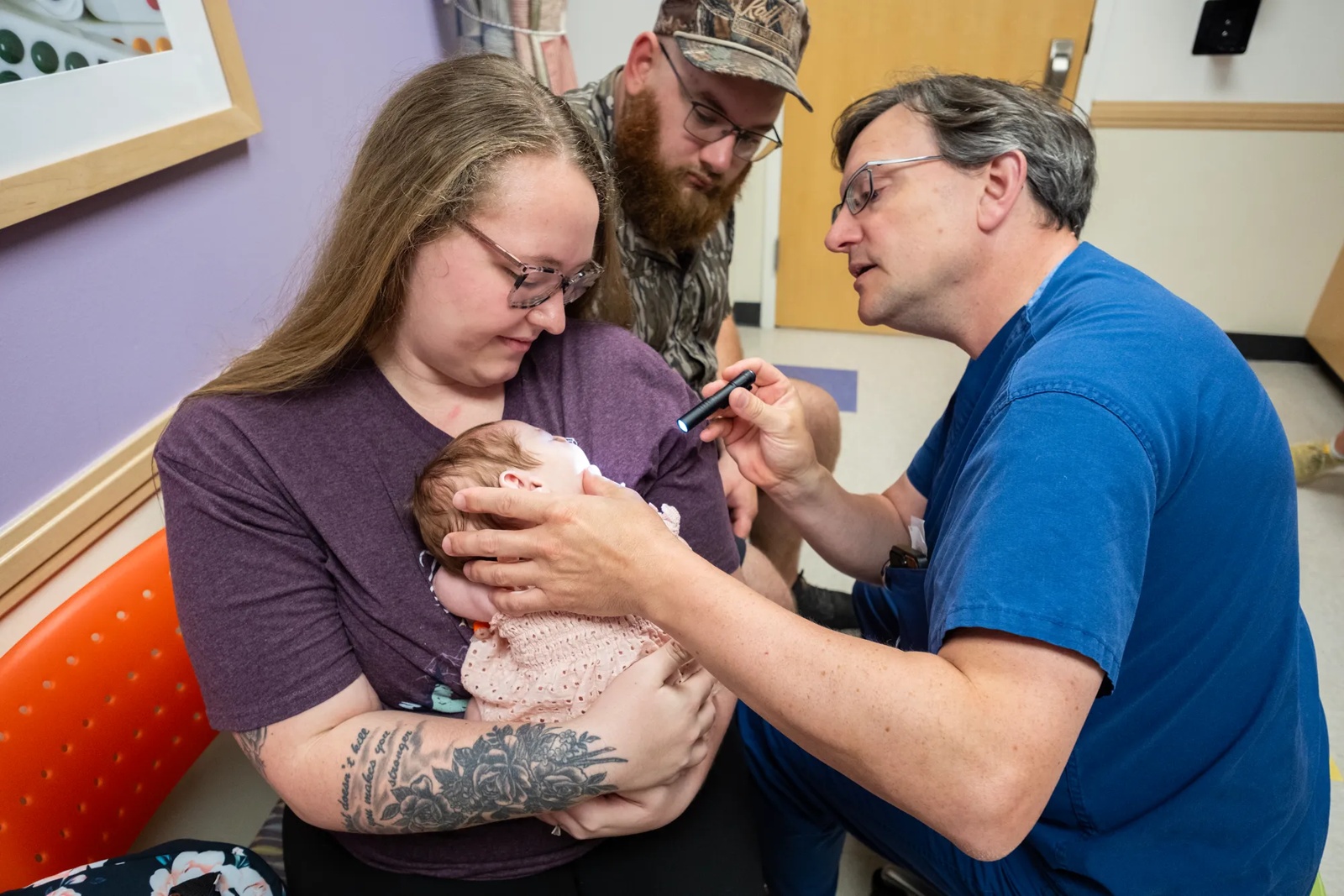
For preterm infants with feeding intolerance, the window to intervene is often narrow. Typical symptoms of feeding intolerance, such as vomiting or abdominal distension, may be temporary signs of gastrointestinal immaturity in an otherwise healthy infant – or evidence of serious complications such as bowel obstruction or necrotizing enterocolitis (NEC) that require urgent treatment.
X-rays can help evaluate feeding intolerance and serious overlapping conditions like NEC, but even those tests can be frustratingly non-specific, Dr. Ortigoza says.
The challenge: Balancing caution with appropriate intervention
As a result, physicians often err on the side of caution when a preterm baby shows signs of feeding intolerance, withholding enteral nutrition and administering antibiotics. For a sick baby, those interventions can be lifesaving. But for an otherwise healthy infant, they can contribute to malnutrition and negatively impact the baby’s gut microbiota.
The opportunity: Revisiting EGG for preterm infants
That’s where EGG could help. The technique uses abdominal sensors to record electrical signals known as the gastric rhythm. “Electrogastrography is an old technology, developed a century ago. But it was largely dismissed because the signals can be so noisy, especially in adults,” Dr. Ortigoza explains. He recognized, however, that the signal would likely be clearer in premature babies who have very little subcutaneous fat. With so much at stake for the tiniest patients, EGG deserved a second look.
Translating gastric signals into clinically meaningful patterns
By adapting external sensors used in other monitoring systems, it was relatively straightforward to adapt EGG to measure gastric rhythms in infants. The bigger challenge was decoding what those signals meant. Working with biostatisticians and bioengineers at UT Southwestern and UT Arlington, Dr. Ortigoza and his colleagues have begun translating those signals into clinically meaningful patterns. That effort forms the backbone of their efforts to establish an objective measure of feeding intolerance.
In previous research, the team characterized how gastric rhythms change as a baby’s GI system matures. In the newly published work, they demonstrated that gastric rhythms measured during feeding show distinct patterns in babies with and without feeding intolerance.
This line of research aligns with a broader body of work at Children’s Health to improve outcomes for high-risk infants. These efforts include developing objective measures for conditions such as hypoxic ischemic encephalopathy, and establishing programs such as “fetus to five” to provide integrated, consistent care to infants at risk for neurodevelopmental disabilities.
Why Children’s Health: Leaders in pediatric gastroenterology and neonatology
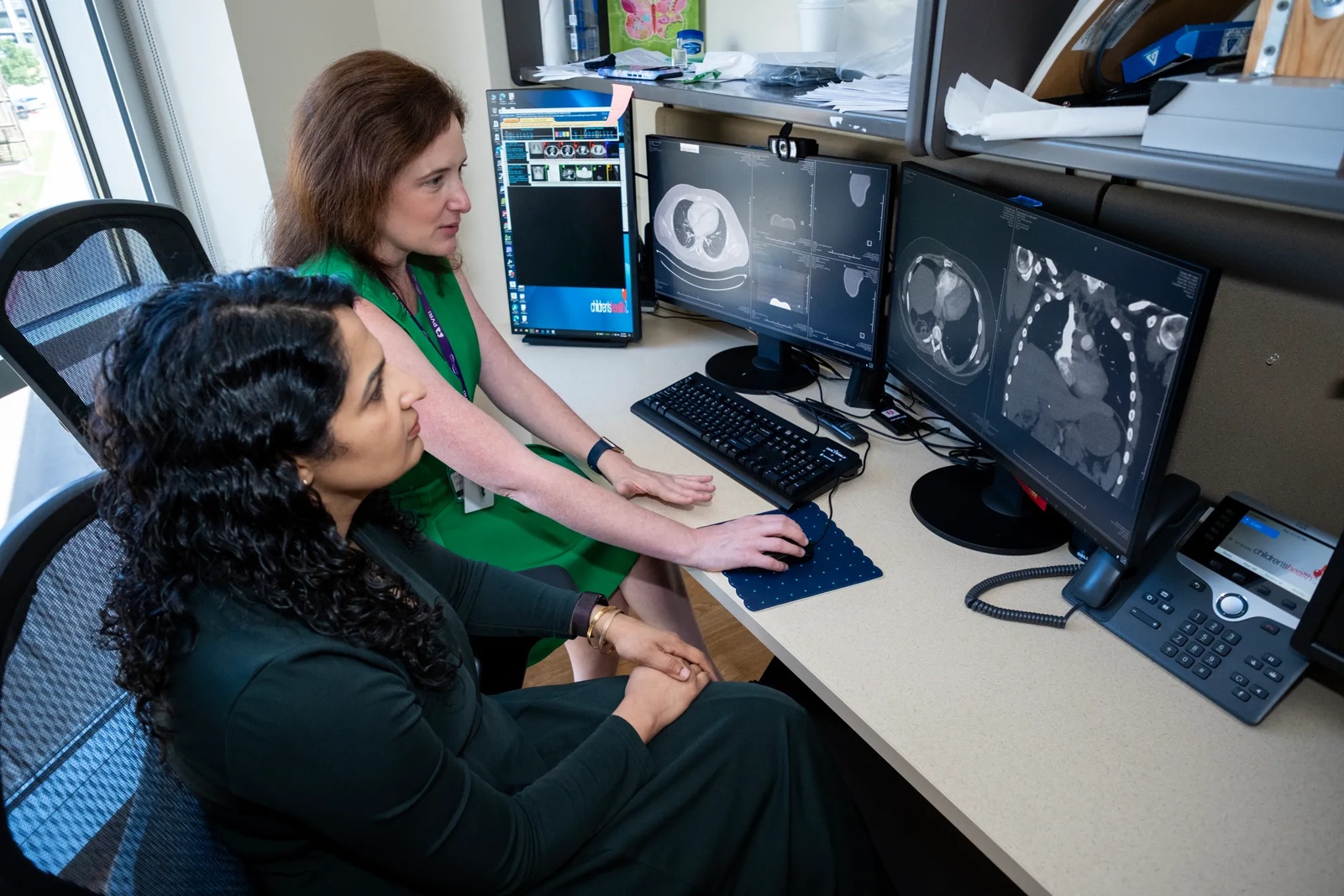
At Children’s Health, Dr. Ortigoza is collaborating with experts in bioengineering, neonatology and gastroenterology – including Rinarani Sanghavi, M.D., Pediatric Gastroenterologist at Children’s Health and Professor at UT Southwestern – to develop EGG as a clinical tool. The effort brings together researchers from UT Southwestern and UT Arlington, with support from NICU providers at Children’s Health and Parkland Health.
“Real-world input from the advanced practice providers and neonatal nurses who provide hands-on care for these babies is essential to our work,” says Dr. Ortigoza. “Their perspective guides us in developing an objective, practical tool that can be used at the bedside without complicating the workflow.”
The team continues to study how EGG signals change as preterm infants develop complications, recover and grow, while investigating potential links to gut bacteria and metabolites. Future clinical trials could help validate EGG as a marker of feeding intolerance and necrotizing enterocolitis (NEC).
“Ultimately, our goal is to objectively differentiate between babies who need intervention and those who will get better without unnecessary procedures that carry some risk,” says Dr. Ortigoza.
Explore more about our leading-edge neonatology treatments for our most vulnerable patients.