The problem: Managing asthma effectively at home
Pediatric asthma remains a leading cause of missed school days and hospitalization. The 2026 Global Initiative for Asthma (GINA) report (an international standard for asthma care) emphasizes the importance of patient-centered self-management.
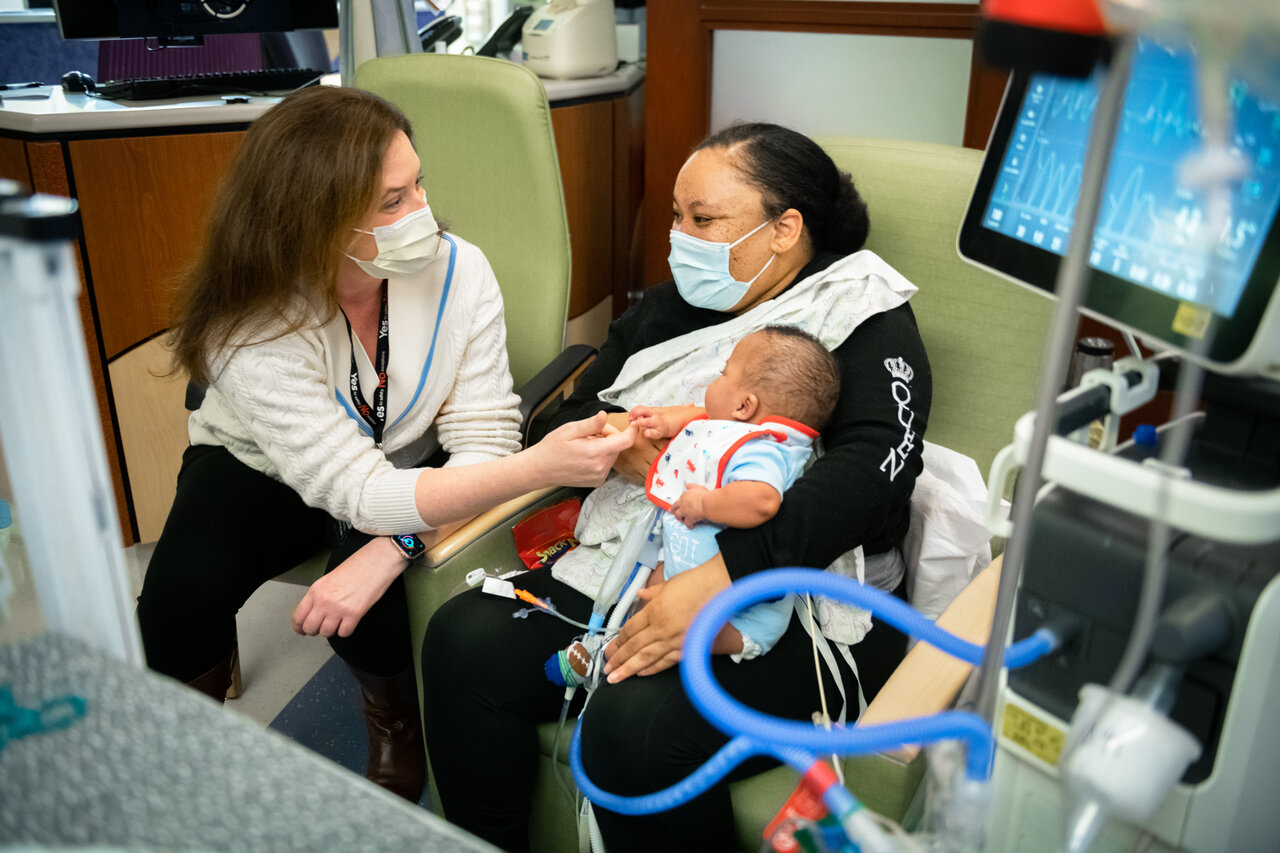
"Asthma is controllable, but its burden persists because patients and families don’t know how to manage it effectively. A standard clinic visit rarely leaves room for the kind of education patients and families need," says Folashade Catherine Afolabi, M.D., Medical Director of the Asthma Management Program (AMP) at Children’s Health℠ and Associate Professor at UT Southwestern.
The innovation: Program cuts asthma-related ER visits by 60%
The Asthma Management Program (AMP) at Children’s Health is built to help patients stay ahead of the next crisis. The program – 1 of only 11 in the country that maintains Disease-Specific Care Certification from the Joint Commission – emphasizes education and support that follows patients and families into their homes, schools and daily lives.
This wrap-around approach is translating into measurable improvements for participating families. Program data shows a 61% reduction in asthma-related emergency room (ER) visits in the 12 months following enrollment.
Highly trained educators do the heavy lifting
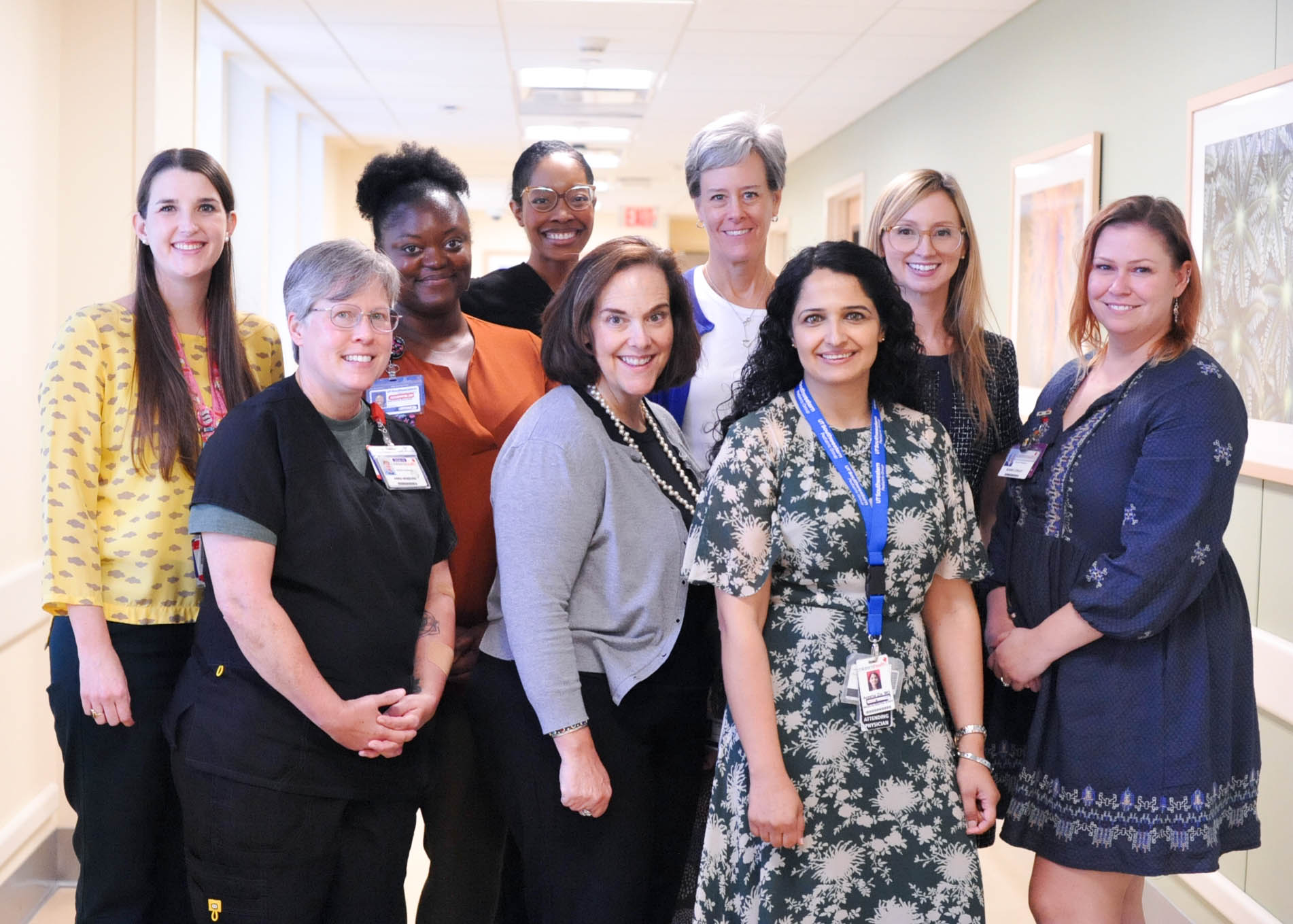
A team of certified asthma educators form the program’s core.
"These educators are registered nurses and respiratory therapists who work at the top of their licensure," says Dr. Afolabi. "The depth of their experience – which includes years in respiratory therapy, in the ICU, in clinics – is what makes the difference for families.”
The educators employ evidence-based methods and participate in annual continuing education to remain current with practice guidelines. They support patients and families by teaching self-care basics and also flag conflicts between a child’s prescription and their asthma action plan. When a situation calls for clinical input, they bring observations back to the referring clinician for resolution.
Virtual visits and tools overcome barriers to self-management
Asthma disproportionately affects boys, children of color and children in under-resourced communities. These families often have the hardest time accessing care consistently.
"For many of these families, the hardest part isn't the medicine. It's getting the extra help to stay ahead of their child's symptoms," says Dr. Afolabi.
The AMP bridges this gap in two ways.
Virtual appointments ease logistical barriers of time and travel. These visits also allow the educators to observe the child in their home environment. This enables them to spot triggers and pitfalls that might not come to light in the clinic.
A proprietary app, called Children's Health Asthma Buddy, helps reinforce daily medication adherence and provides guidance that helps families spot worsening symptoms and respond quickly.
What’s more, these services are available to children with asthma in North Texas regardless of their family’s insurance status. The program welcomes referrals from community providers, including those not affiliated with Children’s Health. Families can also self-refer.
Integrating asthma care in the schools and community
The AMP partners with school districts across the Dallas area to train nurses, coaches and teachers in the fundamentals of asthma care. This grounding enables school staff to respond appropriately to flare-ups, which keeps more children in the classroom and out of the emergency room.
In addition, care coordinators, social workers and psychologists work with families to address practical and emotional demands of an asthma diagnosis. This may include arranging follow-up care, navigating housing concerns or finding resources that provide relief for care-related costs.
Leaders in pediatric asthma care
Children's Health treats some of the most complex pediatric asthma cases in the region and we maintain outcomes that place us among the very best programs in the nation.
But most children don’t require this level of intervention. They need consistent education and support outside the clinic, particularly those patients from underserved communities.
"Our success in limiting asthma’s impact on children’s lives inspires us to think more broadly about how to extend these benefits to children elsewhere," says Dr. Afolabi. “This chronic condition affects so many, and our model of care could point the way forward for children who live with it.
Learn more about the Asthma Management Program at Children's Health.