Glucagon-like peptide-1 receptor agonists (GLP-1RAs) like semaglutide have dominated public conversation around weight-loss. Now we have data indicating how their popularity affects the utilization of metabolic and bariatric surgery (MBS).
A new study by researchers at Children’s Medical Center Dallas, part of Children’s HealthSM, and UT Southwestern found that the number of adolescents receiving MBS actually grew from 2022 to 2023 – the first year that semaglutide was approved for weight loss in adolescents.
This growth is driven by patients of minority ethnicity, especially Hispanics. In fact, adolescent Hispanics now have the highest prevalence of MBS treatment compared to other ethnicities – the first time this is true of a non-White group.
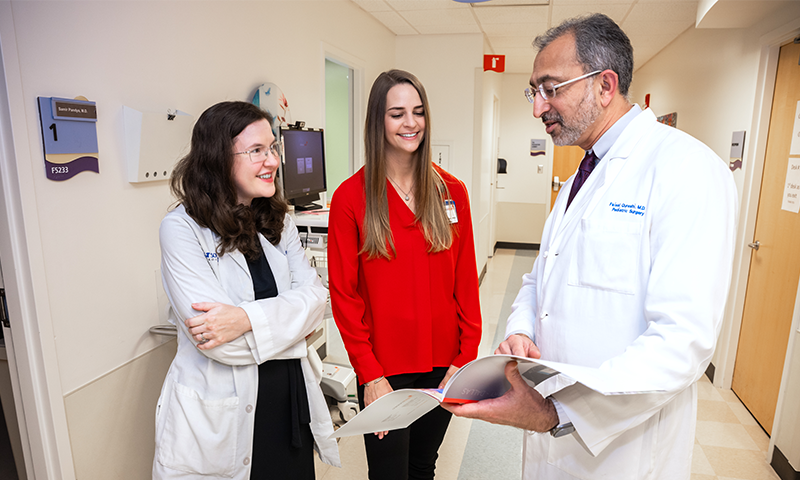
The study was led by Sarah Messiah, Ph.D., Professor of Epidemiology in the O’Donnell School of Public Health and Director of the Child and Adolescent Population Health Program at UT Southwestern; Sarah Barlow, M.D., Pediatric Gastroenterologist at Children’s Health and Professor at UT Southwestern; and Faisal Qureshi, M.D., Pediatric Surgeon and Professor at UT Southwestern.
“Medication and surgery are both valuable options for treating obesity in adolescents, but the need for treatment still far exceeds utilization,” Dr. Messiah says. “Patients need better information about these treatments and more programs that specialize in adolescent obesity and the complex care it requires.”
MBS increasing among the hardest-hit populations
Rates of childhood obesity continue to grow in the United States, and the highest rates are among Black and Hispanic children. MBS has gained acceptance by providers and insurance payers over the last decade, buoyed by extensive research showing it has better long-term outcomes than lifestyle changes alone.
“A separate study in adults showed MBS utilization had decreased since GLP-1RA approval, and we wanted to see if the same were true among adolescents,” says Dr. Messiah. Semaglutide was approved for weight loss in adults in 2021, and in adolescents at the end of 2022.
She and the team reviewed three years of records from more than 900 centers in the Metabolic and Bariatric Surgery Accreditation and Quality Improvement Program. They found that MBS completion among adolescents climbed steadily from 2021 to 2023.
That growth happened despite a drop among White patients. The number of Black adolescents completing surgery rose slightly, and the number of Hispanics jumped 47% (from 398 to 586).
“This data shows that barriers to accessing MBS are decreasing in the communities that need intervention the most,” says Dr. Barlow. “We hope the trend continues and more children who want help with weight loss can seek out specialized programs.”
Usage may fluctuate with changes to coverage and access
The study looked at only the first year following semaglutide approval for adolescents, so the increase in MBS utilization may be short-lived. That’s what happened with adults: More adults completed surgery in the first year after approval, but the number fell during the second year.
It may take years for treatment patterns to settle. The research team speculates that medication usage and MBS usage among adolescents will both fluctuate as new GLP-1RA products enter the market, the price of GLP-1RAs changes and insurance coverage agreements shift.
Changing the conversation around obesity and treatment
In the midst of this volatility, it’s important for providers and families to have good information about their options. A million adolescents are eligible for MBS today, but data from this year shows fewer than 3,000 received the treatment. Many may be unaware that MBS is available, while others may be discouraged from surgery as a “shortcut” treatment.
The conversation surrounding GLP-1RAs also glosses over some hard truths. Almost two-thirds of people who take the medication won’t experience the significant drop in weight they’re expecting. And up to half of those who use GLP1-RAs stop taking the medication within a year. The reasons aren’t clear – perhaps underwhelming results, difficulty adhering to an injection routine or difficulty paying for treatment. Whatever the cause, medication isn’t a long-term solution for many people.
“I think GLP-1RAs are extremely valuable, but we do need to set realistic expectations,” says Dr. Qureshi.
The need for multidisciplinary support
In addition to education, adolescents need access to more clinical weight-loss programs with full multidisciplinary support. Treating obesity often brings in endocrinology, gastroenterology and other specialties. Children living with obesity more often live in lower-income households that may have difficulties with food access. They may also have other challenges that require support from social work and other specialists.
The Children’s Health Bariatric Surgery Center combines all the necessary specialties and provides the emotional and psychological support adolescents need before and after surgery.
“We’re caring for a few children right now who got their surgery somewhere else and were referred as soon as they needed help afterward,” says Dr. Qureshi.
The team performs leading research like the study above and drives important innovations like TeenLyft, a pilot program that uses short tutorial videos to help teens develop and maintain healthy nutritional and activity habits following MBS. As leaders in the field, the team also helps other pediatric centers build similar programs, including upcoming programs in Alabama and Kentucky.
Learn more about pediatric bariatric surgery at Children’s Health